
Ban Conversion Therapy Now
What is meant by "Conversion Therapy"?
Conversion therapy—sometimes called “SOGIE change efforts” or “reparative therapy”—refers to attempts to change, suppress, or erase someone’s sexual orientation or gender identity. It can take many forms:
Behind every method lies the same message: you must not be who you are.
Counseling that insists being gay is a sickness.
Religious rituals framed as exorcisms or purification.
Doctors prescribing unnecessary drugs or treatments.
Parents confine their child until they “repent.”
School programs disguised as discipline or “rehabilitation.”
What the Evidence Shows:
Harms & Human Rights
There is clear and mounting evidence—from UN experts, human rights bodies, medical and psychological associations—that conversion therapy is not just unethical, it causes deep, lasting harm. Some key findings:
The UN Independent Expert on Sexual Orientation and Gender Identity (SOGI) has stated that conversion therapy inflicts “severe pain and suffering”, causes “long-lasting psychological and physical damage” and may amount to torture depending on circumstances.
These practices are inherently discriminatory: they target people because of sexual orientation or gender identity—a protected characteristic—and deny core rights like the right to health, dignity, bodily autonomy, freedom from ill treatment.
Psychological effects include depression, anxiety, shame, self-loathing, suicidal thoughts or attempts, social isolation, PTSD. Physical harms have also been reported (from coerced medical treatments, forced confinement, use of drugs etc.). Young people are disproportionately affected: many are under 25 when subjected to conversion practices; roughly half are minors in many reported cases.
Scientific and professional consensus rejects conversion therapy: leading health / mental health bodies worldwide agree there is no credible scientific basis to change one’s SOGIE, and that reputed “cures” are ineffective and harmful.
Dr. Mehrub (Pakistan)
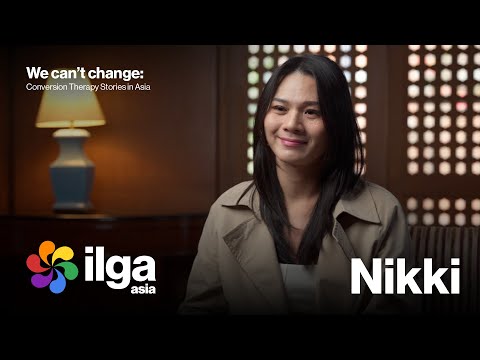
In our Conversion Therapy series, Dr. Mehrub Moiz Awan from Pakistan reflects on her own medical background while recounting the trauma of being subjected to conversion therapy—carried out under the guise of medical care and reinforced by societal pressures.
While much of the literature is more developed in Europe or the Americas, Asia has documented numerous serious instances, and ILGA Asia continues to find out more.




Conversion therapy is not just “bad counseling.” It cuts across multiple human rights, leaving deep scars on those subjected to it:
Right to Health: Survivors describe coercion, forced medical treatments, and psychological trauma that erode both physical and mental well-being.
Right to Dignity and Bodily Integrity: Pressuring someone to deny or change who they are is an assault on their very personhood.
Freedom from Torture or Cruel, Inhuman, or Degrading Treatment: In its harsher forms — forced confinement, humiliation, even physical punishment — conversion therapy crosses into the territory of torture.
Non-Discrimination: By targeting people because of their sexual orientation or gender identity, these practices violate the fundamental principle of equality.
Children’s Rights: Minors are often the most vulnerable. Locked away, drugged, or sent to “rehabilitation” camps, they are stripped of autonomy in ways that international law explicitly forbids.

The Rights Conversion Therapy Breaks
Based on evidence and rights obligations, ILGA Asia calls for:
Comprehensive legal bans on all conversion therapy practices (religious, medical, informal) that are coercive or abusive, including for minors.
Clear legal definitions of what constitutes “conversion therapy”, to encompass both formal and informal settings, practices that claim to “heal”, “fix”, “rehabilitate”, etc.
Regulation of practitioners and enforcement of accountability, including through licensing bodies, oversight of medical / psychological practice, and redress/compensation for survivors.
Protection for minors, including prohibiting parental, religious, institutional coercion, ensuring informed consent, ensuring survivors’ age-appropriate support.
Support services and redress for survivors: mental health care, legal aid, safe spaces, financial compensation where applicable, peer support.
Public education and awareness efforts: to challenge the myths that fuel conversion therapy, to inform families, communities, religious leaders; train health and mental health workers.
International and regional cooperation, sharing data, case studies, legislation models, survivor networks.

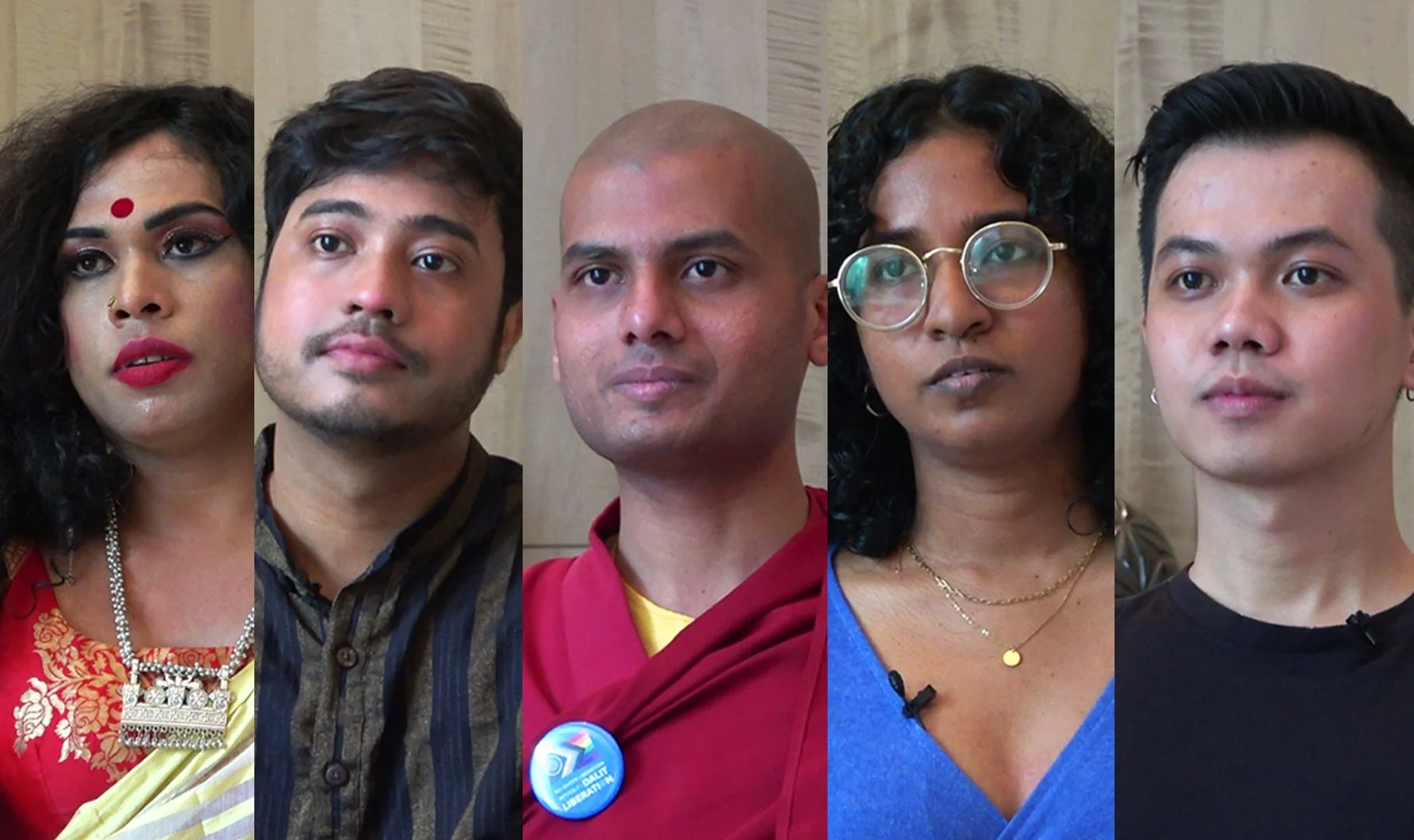
How can children be protected in their homes from family conversion therapies?” Across Asia, LGBTIQ people are being forced to change who they are through abusive practices that are clouded in secrecy. This month, we are launching a video series featuring five people who shared their experiences with conversion therapy practices.
How can children be protected in their homes from family conversion therapies?” Across Asia, LGBTIQ people are being forced to change who they are through abusive practices that are clouded in secrecy. This month, we are launching a video series featuring five people who shared their experiences with conversion therapy practices.
Stay tuned to hear their stories. We will also be releasing a regional campaign together with All Out to #BanConversionTherapyNow in several Asian countries.